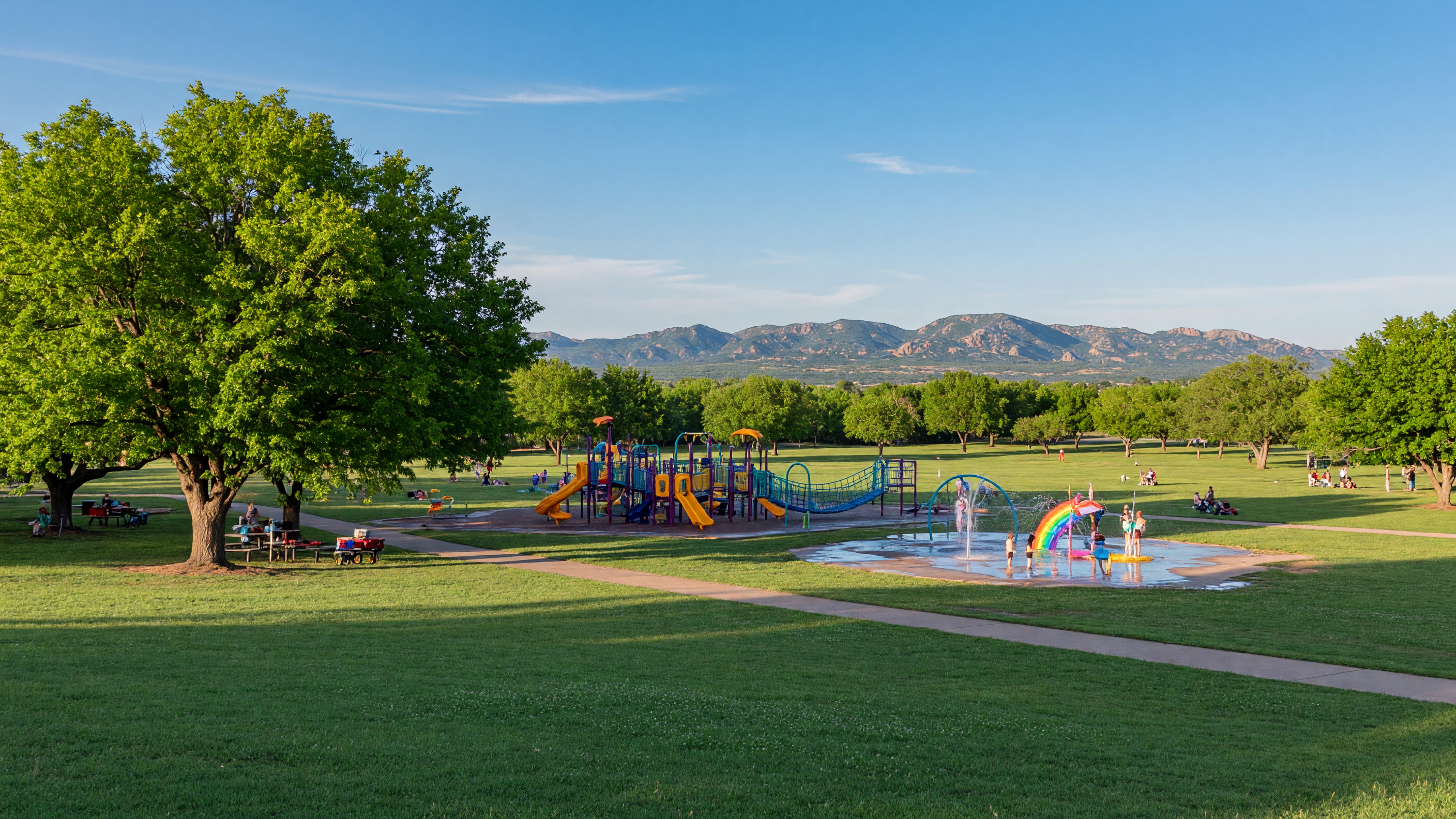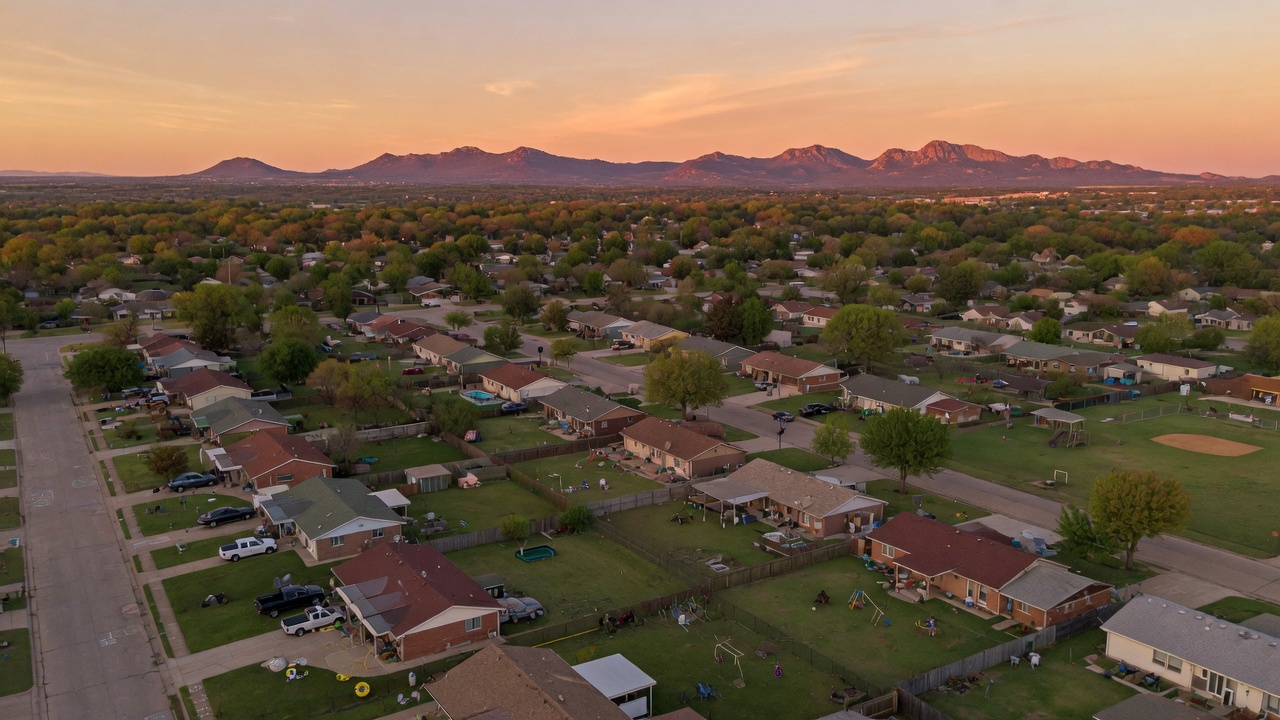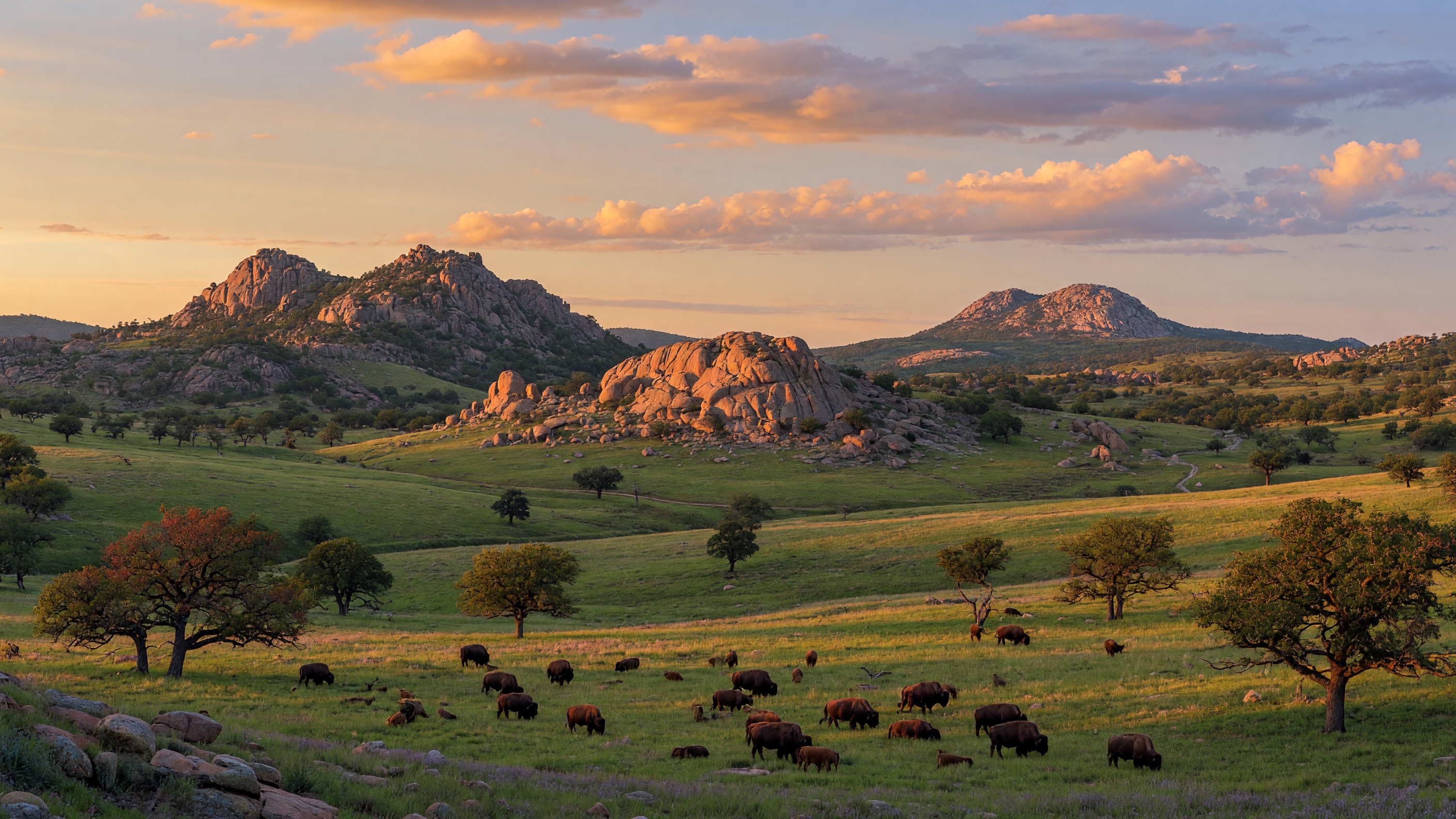
The Wichita Mountains Wildlife Refuge is 59,020 acres of granite peaks, free-roaming bison, and some of the best hiking in Oklahoma — all minutes from Lawton. If you're new to the area or just haven't made it out there yet, here's everything you need to know about one of Oklahoma's most treasured outdoor destinations — and why it's one of the top reasons people love living in Southwest Oklahoma.
What Is the Wichita Mountains Wildlife Refuge?
The Wichita Mountains Wildlife Refuge is a 59,020-acre protected area managed by the U.S. Fish and Wildlife Service, located just northwest of Lawton in southwestern Oklahoma. Established in 1901, it's one of the oldest managed wildlife facilities in the federal system and the oldest wildlife refuge in the National Wildlife Refuge System.
The refuge is home to ancient granite mountains — some of the oldest rock formations in North America — along with native prairies, lakes, and forests. It also supports a remarkable variety of wildlife, including free-roaming American bison, Rocky Mountain elk, white-tailed deer, Texas longhorn cattle, and wild turkey. The combination of dramatic landscapes and wildlife makes it feel like a national park tucked into the heart of Oklahoma.
For Lawton residents, it's practically in the backyard — roughly 15 to 20 minutes from downtown Lawton, and even closer from communities like Cache and Medicine Park. That proximity is one of the area's biggest quality-of-life perks.
What Are the Top Trails in the Wichita Mountains?
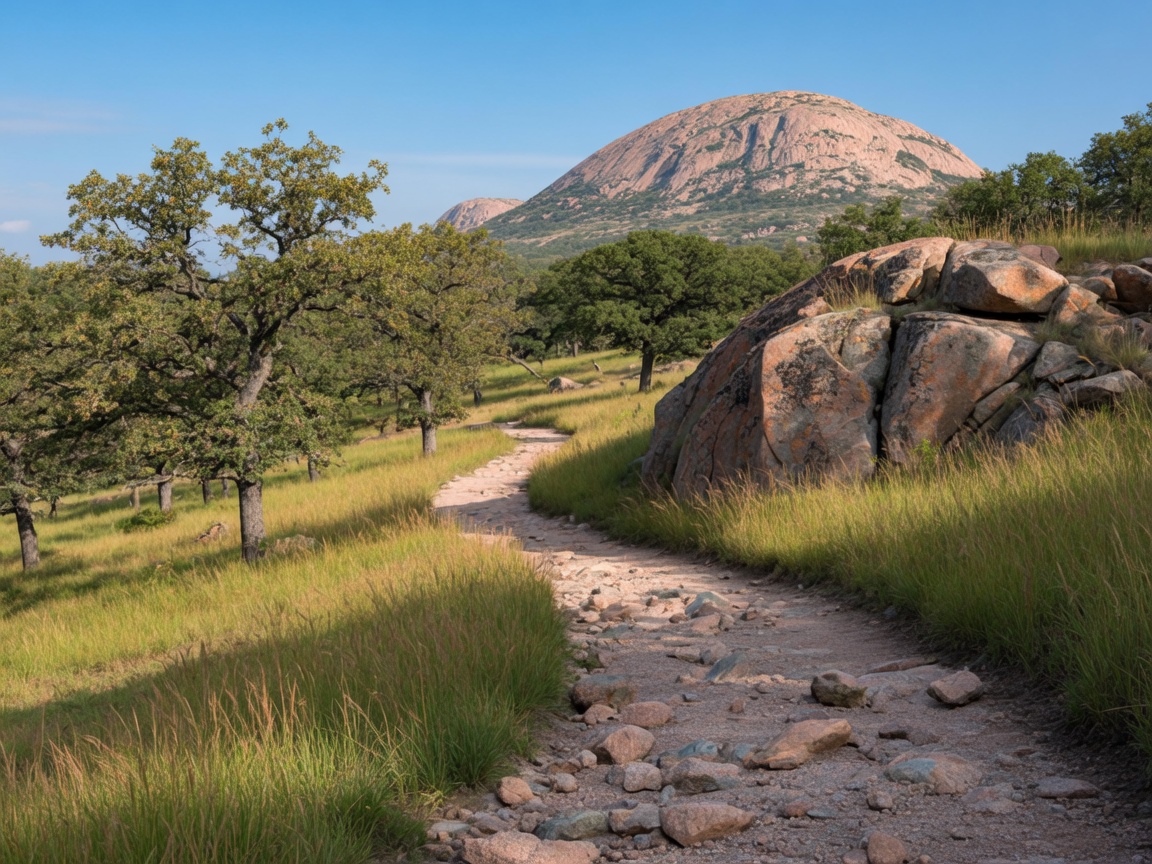
The refuge offers over 15 miles of maintained trails ranging from easy lakeside walks to challenging summit scrambles. Here are the most popular options:
- Elk Mountain Trail — The most popular hike in the refuge. This 4.2-mile round-trip trail climbs to the summit of Elk Mountain at 2,726 feet, offering panoramic views of the surrounding prairie and granite peaks. Expect rocky terrain and a steady uphill grade. Most hikers complete it in 2–3 hours.
- Mount Scott Trail — A paved 2.2-mile round-trip trail that leads to the 2,464-foot summit of Mount Scott. This is the most accessible summit hike in the refuge and a favorite for families and visitors who want big views without a strenuous climb.
- Narrows Trail — A 4.6-mile loop that winds through the Narrows, a narrow canyon between Post Oak Lake and Quanah Parker Lake. This trail offers diverse terrain and is a good choice for hikers who want variety without extreme elevation change.
- Elk Pass Trail — A 3-mile out-and-back trail that connects to the Dog Run Hollow area. Flatter terrain makes this a solid option for a relaxed morning walk with good wildlife viewing.
- Frederick Trail — A longer 7.6-mile loop through the southwestern portion of the refuge. This is the most remote-feeling trail and a good pick for experienced hikers looking for solitude.
For a detailed breakdown of each trail with difficulty ratings, see our complete guide to the best hiking trails near Lawton.
What Wildlife Can I See in the Wichita Mountains?
One of the refuge's biggest draws is the chance to see large mammals in a natural setting. The free-roaming bison herd — roughly 650 animals — is the most iconic sight. You'll often spot them from the road, particularly along the main refuge drive and near the bison pasture areas. The refuge also maintains a herd of Rocky Mountain elk, reintroduced in 1911, and a small herd of Texas longhorn cattle that roam the prairie.
Beyond the large mammals, the refuge is home to over 240 bird species, including wild turkey, painted buntings, roadrunners, and various raptors. Birdwatchers visit year-round, with spring and fall migration seasons offering the highest diversity. Reptile enthusiasts may also spot collared lizards, which are well-known among hikers for their bright green and orange coloring.
Important: Wildlife in the refuge is wild and unpredictable. The U.S. Fish and Wildlife Service recommends staying at least 100 yards from bison and elk at all times. Do not approach, feed, or attempt to touch any wildlife.
Can I Camp and Fish in the Wichita Mountains?
The refuge's developed camping is centered on Doris Campground, which sits on the shoreline of Quanah Parker Lake. Doris offers roughly 93 campsites for tents and RVs: single-family sites with and without electric hookups, semi-primitive walk-in tent sites, and group sites. All camping operates by reservation only through Recreation.gov, and fees run from about $12 to $40 per night depending on site type, plus an $8 reservation processing fee. For backcountry campers, the Charon's Garden Wilderness Area allows dispersed camping at $5 per person. Sites fill up on spring and fall weekends, so advance booking is recommended.
Fishing is available at several lakes within the refuge, including Lake Elmer Thomas and Quanah Parker Lake. Largemouth bass, channel catfish, and sunfish are the primary catches. Oklahoma fishing licenses are required for anglers 16 and older. Our fishing and boating guide covers the full range of angling options in the region.
What Is the Holy City of the Wichitas?
Tucked inside the refuge, the Holy City of the Wichitas is a historic stone chapel and community built by the Works Progress Administration in the 1930s. Each spring, it hosts the Easter Pageant, the longest-running Easter pageant in the United States, drawing thousands of visitors for an outdoor performance that has been held annually since 1926. The stone buildings, set against the granite mountain backdrop, are worth a visit even outside of pageant season.
What Should I Know Before Visiting the Refuge?
| Detail | Information |
|---|---|
| Entrance Fee | Free — no entrance fee |
| Hours | Open daily, sunrise to sunset |
| Distance from Lawton | ~15–20 minutes northwest |
| Total Area | 59,020 acres (92 sq miles) |
| Trail Miles | 15+ miles of maintained trails |
| Campgrounds | Doris on Quanah Parker Lake (93 sites, by reservation) & backcountry Charon's Garden |
| Official Website | fws.gov/refuge/wichita-mountains |
Cell service is spotty inside the refuge, so download maps or grab a paper map at the visitor center before you head out. The visitor center, located near the entrance on Route 115, offers exhibits on the refuge's natural and cultural history, plus helpful rangers who can point you toward current trail conditions and wildlife sightings.
When Is the Best Time to Visit the Wichita Mountains?
The refuge is open year-round, and each season offers something different:
- Spring (March–May): Wildflowers bloom across the prairie, migratory birds arrive, and temperatures are ideal for hiking. The Easter Pageant at the Holy City is held annually during this season.
- Summer (June–August): Hot Oklahoma summers mean early morning hikes are best. Lakes are popular for fishing and wildlife is active at dawn and dusk.
- Fall (September–November): Cooler temperatures bring the best hiking conditions of the year. Bison rut season (September–October) is dramatic, so maintain extra distance during this time. See our guide to the elk rut for when and where to spot bugling elk.
- Winter (December–February): Quieter trails, fewer visitors, and clear mountain views make winter a surprisingly good time to visit. Snowfall is infrequent but transformative when it happens.
Why Do Lawton Residents Love the Refuge?
For people who live in Lawton, the Wichita Mountains Wildlife Refuge isn't just a tourist destination — it's part of daily life. Residents hike before work, take visiting family members to the summit overlooks on weekends, and plan camping trips minutes from home. The refuge is a regular backdrop for school field trips, community outings, and the kind of spontaneous Saturday morning adventures that make living in this area genuinely different from life in a bigger city.
If you're considering a move to the Lawton area, the Wichita Mountains Wildlife Refuge is one of those features that's hard to appreciate until you experience it firsthand. It's one of the top reasons people fall in love with Southwest Oklahoma — and one of the reasons they stay.
For more outdoor activities in the area, explore our guides to the best parks and outdoor spaces in Lawton, local golf courses, and summer activities in the area, plus our roundups of scenic drives near Lawton and fall colors in the Wichita Mountains.

Travis Wright
REALTOR® · eXp Realty · License #206164
Travis Wright is an eXp Realty ICON Agent and one of eXp Realty's Top 250 Individual Agents in the United States, RealTrends Verified, specializing in move-in-ready new construction in Elgin, military PCS relocation to Fort Sill, and helping Southwest Oklahoma homeowners sell their homes. Ranked among eXp Realty's Top 250 agents nationwide, Travis has helped families across Southwest Oklahoma buy and sell homes.
Thinking about moving to Lawton?
Find homes, relocation guides, and community resources at MovingToLawtonOklahoma.com — your starting point for life in Southwest Oklahoma.